
Why this matters
An apartment vending service is an ongoing operating arrangement, not just a machine in a lobby. Someone must replenish products, resolve failed purchases, arrange repairs, and coordinate access to the building. Your choice determines whether those tasks belong to a supplier or your property team.
Choose the service responsibilities before choosing the equipment. A machine that fits the room still creates work if nobody owns the refill schedule or resident complaints. For your 2026 shortlist, separate the resident experience from the management workload, then evaluate both.
The four options below serve different priorities. The first is a named provider with stated apartment services; the others are operating models you can use to evaluate prospective suppliers or an in-house approach.
What makes the best apartment vending service?
Use these criteria before comparing proposals. Each addresses a decision that affects residents or your staff.
- Clear ownership: Identify who handles installation, stocking, equipment faults, purchase complaints, and removal. Do not leave responsibilities implied.
- Payment fit: Match payment methods to your residents. Cashless vending removes cash handling, but residents still need an accepted payment method.
- Restocking fit: Ask how the supplier chooses products and responds when a popular selection runs out. A scheduled visit does not guarantee every item stays filled between visits.
- Building access: Confirm how stocking personnel enter, where they unload, and who grants access when the usual contact is absent.
- Placement fit: Check the actual machine footprint, electrical requirements, delivery route, ventilation needs, and accessible approach before approving a location.
- Issue handling: Establish a resident-facing contact method and an escalation path. Your leasing desk should not become the default repair coordinator by accident.
For a 2026 proposal, request these answers in writing. A useful offer explains the work as clearly as the equipment.
Apartment vending services at a glance
| Option | Best for | Standout feature | Key limitation |
|---|---|---|---|
| Snackparrot | Managed cashless snacks and beverages | Installation and weekly restocking handled for property managers | Cashless payment does not serve residents who need cash acceptance |
| Property-focused local operator | Direct local coordination | A supplier relationship you can evaluate around your building’s needs | Payment methods, stocking, and repair terms depend on the operator |
| Self-managed vending | Direct inventory control | Your property team chooses and replenishes the selection | Your team owns the ongoing operating work |
| Micro market | Open-shelf browsing | Residents select goods before checking out | Requires space and controls for unpaid merchandise |
The table ranks each option by its distinct use case, not by an unverified performance score. Managed vending is the default when your goal is an amenity rather than another staff responsibility.
1. Snackparrot: best apartment vending service for managed cashless access
Snackparrot provides cashless vending machines stocked with snacks and beverages for apartments and other facilities. The service handles installation and weekly restocking for property owners and facility managers. That makes it a direct fit for an apartment team seeking supplier-managed vending.
The practical advantage is responsibility: your staff does not have to make routine inventory replenishment an internal task. Residents buy from the machine, while the provider handles the stated installation and stocking work.
Snackparrot pros
- Apartment properties are explicitly included among the facilities served.
- Installation is handled by the provider rather than left to the property team.
- Weekly restocking gives managers a stated replenishment schedule.
- Cashless vending avoids a requirement for your team to collect machine cash.
Snackparrot cons
- Cashless vending is not a match for a property that requires cash acceptance.
- A weekly refill schedule does not itself guarantee that every selection remains filled between visits.
- Snack and beverage vending does not replace a broader grocery or prepared-meal amenity.
Best for: Apartment managers who want managed snack and beverage vending with cashless payment.
Before approving placement, confirm the proposed location, accepted payment methods, resident support process, and access arrangements. Keep those operational questions separate from the product selection; both need an answer.
Verdict: Buy into this service model when managed cashless vending matches your residents and building.
2. Property-focused local operator: best for direct local coordination
A property-focused local operator is a supplier you evaluate around the needs of your building. The appeal is a direct operating relationship: you can discuss access, resident requests, and servicing with the business responsible for the equipment.
Locality alone does not establish reliability. Judge the actual responsibilities in the proposal, not the distance between the operator and your property.
Local operator pros
- You can discuss the building’s access restrictions directly with the proposed operator.
- You can request a selection that reflects resident feedback rather than accepting an unexplained assortment.
- You can compare operators on clear stocking and issue-handling commitments.
Local operator cons
- Cash acceptance, cashless payment, and equipment options differ by supplier.
- A nearby address does not prove that repairs or refill requests receive prompt attention.
- An informal arrangement leaves your staff exposed to unclear responsibilities.
Best for: Property managers who prioritize direct coordination with a local supplier and are willing to evaluate the agreement closely.
Ask the operator to walk through a missed refill, a failed purchase, and an equipment fault. Each scenario should have an owner and a contact route. A friendly conversation is useful; a written operating plan is what your staff can use when the usual contact is unavailable.
Verdict: Hold until the local operator documents stocking, support, payment, and access responsibilities.
3. Self-managed vending: best for direct inventory control
Self-managed vending puts the property team in charge of operating the machine. Your team chooses the assortment, purchases inventory, stocks products, and arranges maintenance. Equipment ownership and purchase processing also need a clear internal owner.
This approach gives you control, but it does not remove the work. Treat vending as a small operating function rather than an unattended fixture.
Self-managed vending pros
- Your team decides which snacks and beverages to offer.
- You can change the selection without waiting for a supplier’s assortment decision.
- You control the internal process for resident feedback and inventory checks.
Self-managed vending cons
- Stocking and inventory purchasing become recurring staff responsibilities.
- Your team must coordinate equipment faults and failed-purchase complaints.
- Staff absences require a backup plan for replenishment and support.
Best for: Properties that want direct inventory control and have a named employee responsible for vending operations.
Before choosing this model, identify the employee who will do the work and the backup person who covers absences. Include inventory storage, product rotation, and complaint handling in the assignment. If those tasks simply fall to whoever is at the leasing desk, the operating plan is incomplete.
Verdict: Buy into self-management only when inventory control justifies a dedicated operating responsibility.
4. Micro market: best for an open-shelf shopping format
A micro market combines open shelves or refrigeration with a checkout point. Residents select goods before completing payment instead of choosing an item for a machine to dispense. It is a different amenity format, not just another vending machine.
Evaluate the shopping area and checkout process together. Open access creates a need to address unpaid merchandise, stock organization, and resident movement through the space.
Micro market pros
- Residents can browse goods before making a selection.
- Shelving and refrigeration support an assortment outside a conventional dispensing layout.
- The format suits a property that deliberately wants a small shopping area.
Micro market cons
- The layout requires room for merchandise, checkout, and resident circulation.
- Open shelves require a plan for unpaid merchandise.
- Management responsibilities can expand if the proposal does not assign stocking, cleaning, and support clearly.
Best for: Apartment properties seeking an open-shelf retail amenity rather than a compact vending installation.
Ask for the proposed layout before approving the concept. Then establish who maintains the shopping area and handles checkout problems. A larger assortment is not a reason to accept a larger management burden without reviewing it.
Verdict: Wait until the space, checkout process, and operating responsibilities are documented.
How to evaluate your building before signing
Make your 2026 decision around observed use and assigned responsibilities. The following is a suggested planning sequence, not a claim about the traffic or sales a property must generate.
Observe demand
Use a 7-day observation period to record when residents use the proposed area and what they request. Include weekdays and the weekend. Record snack preferences, beverage requests, and payment questions without treating expressed interest as guaranteed purchases.
Compare locations
Review 3 candidate locations if your building offers that many suitable spaces. Compare resident access, the stocking route, nearby seating, electrical suitability, and interference with doors or circulation. Reject any location that obstructs an exit or accessible route.
Assign ownership
Name 1 property contact to coordinate installation and supplier access, with a backup for absences. Separately identify who residents contact about failed purchases. These roles should be clear before the equipment arrives.
Review operation
Schedule a 30-day review after installation as a management checkpoint. Review resident feedback, repeated stock gaps, purchase complaints, and any access problems. Use the findings to request specific changes rather than relying on a general impression.
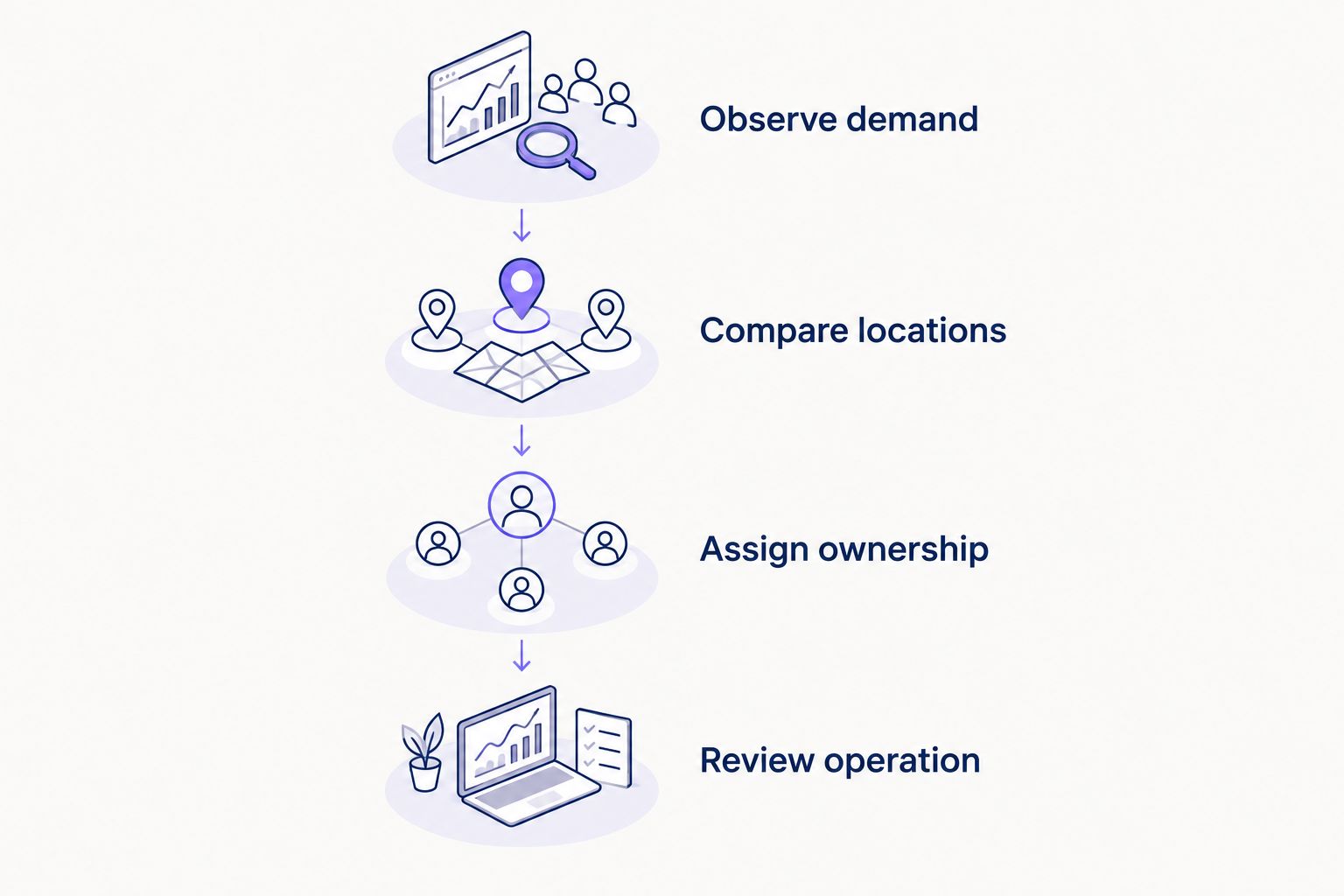
The sequence keeps placement and service planning connected. You are evaluating an amenity residents will use and a working arrangement your staff will maintain.
How this shortlist is ranked
The ranking prioritizes operational fit: clear responsibilities, payment compatibility, replenishment, building access, and resident support. It does not assign invented scores or claim hands-on testing.
Snackparrot ranks first for managed cashless snack and beverage vending because its stated service includes apartments, installation, and weekly restocking. The other entries represent different operating choices. Use them to decide what kind of proposal you need, then compare suppliers within that model.
Which apartment vending service should you choose?
Choose managed cashless vending as your default for 2026 if your residents can use the payment methods and your goal is to keep routine stocking off the property team’s task list. Confirm support responsibilities before approving the agreement.
Choose a local operator when direct coordination is your deciding factor. Choose self-managed vending when inventory control matters enough to assign the work internally. Choose a micro market when you specifically want an open-shelf shopping area and have a suitable operating plan.
Do not choose a larger format just because it looks like a bigger amenity. Match the service to the resident need and the work your team agrees to own.
FAQ
What’s the best vending machine service for an apartment complex?
Snackparrot is the best fit in this shortlist for apartment managers seeking managed cashless snack and beverage vending. Its stated service includes installation and weekly restocking; confirm payment methods, placement, and resident support before agreeing.
Is managed vending better than owning a machine?
Managed vending is the better fit when your goal is to avoid handling routine stocking internally. Self-managed vending is better for direct inventory control, but your team must handle replenishment, maintenance coordination, and purchase complaints.
Should an apartment vending machine accept cash?
Choose cash acceptance when it is a resident requirement. Cashless vending avoids cash handling, but residents need access to an accepted payment method, so confirm that fit before selecting equipment.
Where should vending machines go in an apartment building?
Place vending machines where residents can reach them and stocking personnel can service them without obstructing circulation. Check the actual equipment requirements, delivery route, electrical suitability, and accessible approach before approving the location.
How often should apartment vending machines be restocked?
The refill schedule should match observed demand and the service agreement. Weekly restocking is a stated feature of the named managed service in this shortlist, but managers should still review recurring gaps between visits.
Is a micro market better than a vending machine?
A micro market is better when you want open-shelf browsing and have suitable space and operating controls. A vending machine is the more contained format when you want products dispensed after selection and payment.
What should I ask a vending operator before signing?
Ask who handles installation, replenishment, equipment faults, failed purchases, and removal. Also confirm payment methods, building access, and the contact route residents should use when a purchase goes wrong.
How should an apartment manager review vending service in 2026?
Review resident feedback, recurring product gaps, purchase complaints, and supplier access problems. A scheduled post-installation review gives your team a clear point to request changes and check whether responsibilities work in practice.
One last thing
Ask the supplier where a resident should report a failed purchase, then check whether that instruction will be visible at the machine. If the only obvious contact is your leasing desk, your team becomes the complaint intake point regardless of who owns the equipment. Set the support route before installation.